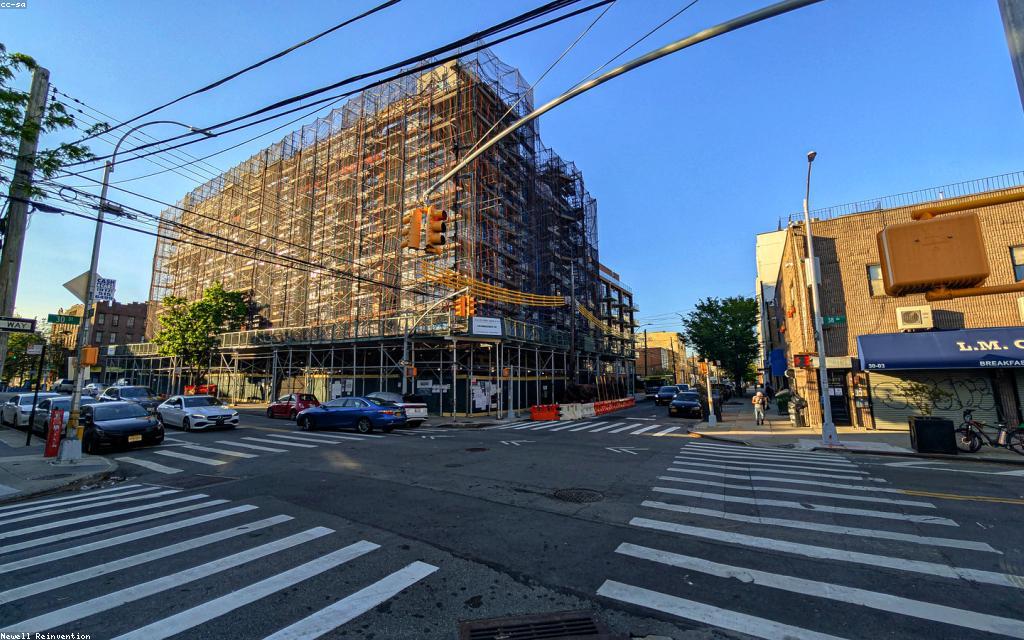
Can Foreigners Buy Property in Vietnam? A Real Guide

Foreigners can legally own property in Vietnam, but not in the same way locals do, and not every property qualifies. The rules confuse many buyers because the marketing often oversimplifies them. This guide explains exactly what you can own, the caps that apply, how long ownership lasts, and the traps that lead to void contracts or lost money.

What foreigners can and cannot own

Under Vietnam’s housing law, eligible foreign individuals and organizations can own houses within commercial housing projects, which in practice means apartments and, in some cases, landed villas or townhouses inside approved developments. What foreigners generally cannot do is hold a Land Use Right Certificate over raw land the way a Vietnamese citizen can, or buy houses from individuals outside a qualifying project.

Who counts as an eligible foreign buyer

Foreign individuals who are permitted to enter Vietnam and are not entitled to diplomatic immunity qualify. You do not need a residence card in every case, but you must enter legally. Foreign-invested enterprises and branches can also own housing for their staff under certain conditions.

The ownership limits you must know

These caps exist to keep foreign ownership a minority share in any given area:

  • Per apartment building: foreigners may own up to 30% of the units in a single building.
  • Per ward-level area for landed houses: ownership is capped at a limited number of houses (the law sets a ceiling around 250 houses, and no more than 10% of the houses in a single landed project).

When a building or area hits its cap, you simply cannot register more foreign-owned units there, no matter what a broker promises. Always ask the developer for the current remaining foreign quota in writing.

How long does ownership last

Foreign individual ownership is granted for a term of up to 50 years from the date stated on the certificate, with the possibility of extension under the law. This is a key difference from the effectively indefinite ownership Vietnamese citizens enjoy. A foreigner who marries a Vietnamese citizen may qualify for stable, long-term ownership closer to the local standard.

A real scenario

A buyer from overseas signed a deposit for an apartment marketed as “open to foreigners.” Before paying the next installment, he asked the developer for the building’s foreign quota status. The reply showed the 30% cap was already reached in that specific tower. The developer offered a unit in a sister tower that still had quota. Because he checked before the large payment, he switched units cleanly instead of ending up unable to register the title. Buyers who skip this check sometimes complete payment and then cannot get their name on the certificate.

Common mistakes and how to fix them

  • Buying through a Vietnamese nominee’s name. Holding property under someone else’s name to bypass the rules creates no protected legal ownership for you and invites disputes. Fix: own in your own name within an eligible project.
  • Assuming every project is open to foreigners. Projects in certain security-sensitive zones are excluded. Fix: confirm the project is on the list eligible for foreign ownership.
  • Ignoring the quota status. Fix: get the remaining foreign quota confirmed in writing before any major payment.
  • Overlooking the 50-year term. Fix: read the term on your certificate and understand the extension process before you buy.
  • Paying in cash informally. Fix: route payments through banking channels, which also matters if you later want to remit sale proceeds abroad.

Action steps before you commit

  • Confirm you personally qualify (legal entry, non-immune status).
  • Verify the specific project is legally eligible for foreign ownership.
  • Get the building’s remaining foreign quota in writing from the developer.
  • Read the ownership term and extension terms on the draft certificate.
  • Use bank transfers and keep proof of every payment for future remittance.
  • Have an independent Vietnamese lawyer review the sale and purchase contract.

Conclusion and next step

Foreign ownership in Vietnam is real and workable, but it lives inside firm limits: eligible projects only, quota caps, and a 50-year term. Your next step: before you fall in love with a specific unit, email the developer and ask two questions in writing, is the project eligible for foreign ownership, and what is the remaining foreign quota in this building.

Frequently asked questions

Can a foreigner own land in Vietnam?

Not as raw land with a personal land-use right the way citizens do. Foreigners own housing within eligible projects, along with the associated rights, rather than freehold land outright.

What happens after the 50-year term ends?

The law allows for extension. You should confirm the current extension procedure with a lawyer, because relying on an assumption here is risky.

Can I sell my apartment to a Vietnamese buyer later?

Yes. Selling to a local buyer is generally straightforward, and it removes the unit from the foreign quota, which can widen your buyer pool.

Does buying property give me a visa or residency?

Property ownership by itself does not grant residency or a long-term visa. Immigration status is governed separately from property law.

Can I bring the sale money out of Vietnam?

Remittance of legitimate proceeds is possible through proper banking channels, which is exactly why documented, bank-routed payments matter from day one.

References

Law on Housing 2023 (Luat Nha o 2023) and Land Law 2024 (Luat Dat dai 2024), the primary Vietnamese legislation governing foreign ownership of housing.

Posted in Chưa phân loại | Comments Off on Can Foreigners Buy Property in Vietnam? A Real Guide

How Foreigners Can Legally Buy Property in Vietnam

Yes, foreigners can legally own housing in Vietnam, but not in the same way locals do, and not everything on the market is available to you. If you get the eligibility, the quotas, and the ownership term wrong, you can lose a deposit or end up with a property you cannot register in your name. This guide explains exactly what you are allowed to buy, the limits that trip people up, and how to protect yourself before signing.

Can foreigners actually own property in Vietnam?

Under Vietnam’s Law on Housing, a foreign individual who is legally permitted to enter Vietnam (a valid entry stamp in your passport is enough) may own housing. You do not need a work permit, permanent residence, or a company. The right is real, but it is tied to specific types of property and to caps designed to keep foreign ownership a minority share.

Important distinction: what you own is the house or apartment, not the land itself. In Vietnam all land is technically owned by the State and held through land-use rights. Foreigners are granted ownership of the dwelling for a defined term, not a permanent land title the way a Vietnamese citizen holds a “red book.”

What you can and cannot buy

You can buy apartments and landed houses (villas, townhouses) inside licensed commercial housing projects. You cannot buy:

  • Land plots to hold as bare land-use rights.
  • Property from a private individual outside a commercial project (for example, a local family’s house on a residential street with a personal red book).
  • Anything inside areas designated for national defense and security.

This is the single most common misunderstanding. The dream of buying a cheap townhouse directly from a Vietnamese owner usually is not available to a foreign buyer.

The quotas that catch buyers off guard

Foreign ownership is capped at the building and neighborhood level, so a unit can be legally sold out to foreigners even if it looks available:

  • No more than 30% of the units in a single apartment building may be foreign-owned.
  • For landed houses, foreign ownership is limited within an area equivalent to a ward-level unit (broadly, no more than around 250 houses).

Once a project hits its foreign quota, you simply cannot register, no matter how much you pay. Always ask the developer for written confirmation that the specific unit still sits within the foreign allowance.

Ownership term: 50 years, and what renewal really means

A foreign owner typically holds the property for 50 years from the date stated on the certificate, renewable once. If you are married to a Vietnamese citizen, you are generally treated closer to a citizen with stable, long-term ownership. The 50-year clock is not the same as “you lose the house in 50 years”: you can sell, gift, or lease during the term, and the value transfers with the unit. But a buyer of a resold foreign-owned unit inherits the remaining term, which affects resale price.

A real scenario

A common situation: a buyer from Singapore pays a booking fee on an apartment in Ho Chi Minh City, attracted by the price. Weeks later the developer reveals the building has already reached its 30% foreign cap. Because the booking agreement was signed before checking the quota, recovering the deposit becomes a negotiation rather than a right. The fix would have been one email: request the foreign-ownership status of that exact unit in writing before paying anything.

Common mistakes and how to fix them

  • Paying a deposit before checking the foreign quota. Fix: get written confirmation the unit is within the allowance first.
  • Assuming you can buy any house. Fix: confirm the property sits inside a licensed commercial project, not private land.
  • Paying in cash or from an unregistered account. Fix: transfer through a Vietnamese bank so the money trail supports your future certificate and any repatriation.
  • Ignoring the ownership term at resale. Fix: factor the remaining years into price when buying second-hand.
  • Relying only on the seller’s word. Fix: hire an independent Vietnamese lawyer, not the developer’s recommended one.

Your pre-purchase checklist

  • Confirm your own eligibility (valid passport entry stamp).
  • Verify the project is a licensed commercial housing development.
  • Get written proof the unit is within the foreign-ownership quota.
  • Read the sale contract and note the ownership start date and term.
  • Route all payments through a Vietnamese bank account.
  • Engage an independent lawyer to review before you sign anything.
  • Keep every receipt and contract for the certificate application.

Conclusion and next step

Foreign ownership in Vietnam is genuinely open, but it lives inside narrow rules: eligible projects, quota limits, and a term-based title. Your next concrete step is simple and free: before you pay a single dong, email the developer and ask for written confirmation that your exact unit remains within the foreign-ownership allowance. That one document prevents the most expensive mistake foreign buyers make.

Frequently asked questions

Do I need a residence card or work permit to buy?

No. A foreign individual legally allowed to enter Vietnam, shown by a valid entry stamp, can own eligible housing. Residence status is not required.

Can I buy land in Vietnam as a foreigner?

Not as bare land-use rights. You can own the dwelling on the land inside a commercial project, but not hold a personal land title the way a citizen does.

What happens after the 50-year term?

The term is renewable once under the current framework. You can also sell or transfer the property during the term, passing the remaining years to the buyer.

Can I send the sale proceeds back to my home country?

Generally yes, if you can document that the original purchase money came in legally through the banking system. This is exactly why paying through a Vietnamese bank matters.

Is buying through a Vietnamese spouse a good idea?

It can simplify ownership, but it also mixes personal and legal risk. Get independent legal advice and put clear agreements in writing before choosing that route.

References

  • Vietnam Law on Housing (Luat Nha o) and its implementing decrees.
  • Vietnam Land Law (Luat Dat dai).
Posted in Chưa phân loại | Comments Off on How Foreigners Can Legally Buy Property in Vietnam

How to Check Land Planning Before Buying Property in VN

Buying land that later turns out to sit inside a planned road, park, or clearance zone is one of the most expensive mistakes in Vietnamese real estate. The land looks fine, the seller shows a valid title, and only after you pay do you discover it is “dinh quy hoach” (affected by planning). This article shows you how to verify planning status yourself, what documents actually prove it, and how to read the answer correctly.

What “land planning” really means here

In Vietnam, every parcel falls under a land-use master plan (quy hoach su dung dat) and a detailed construction plan (quy hoach xay dung). These decide what the land can legally become: residential, agricultural, road, green space, or public works. A parcel can hold a perfectly valid Land Use Right Certificate and still be marked for future conversion into a road. When that plan is executed, you receive compensation at state rates, not market value.

The two situations that hurt buyers most

First, land fully inside a planned public work. You cannot build, cannot transfer easily, and will eventually be cleared. Second, land only partially affected, where a strip is reserved for road widening. You keep the rest but lose frontage and value. Both are common near expanding urban edges in cities like Bien Hoa, Di An, or the outskirts of Ho Chi Minh City.

How to verify planning status, step by step

There is no single magic website that covers every locality perfectly, so use more than one method and cross-check.

  • Request the parcel information in writing. Submit a request for land information (thong tin quy hoach) at the district-level Land Registration Office or the one-stop service center where the land sits. This is the answer that legally binds. Bring the certificate number and parcel/map sheet number (so thua, so to ban do).
  • Check the local planning portal. Many provinces publish planning maps online. Coverage and accuracy vary by locality, so treat the portal as a first filter, not final proof.
  • Read the certificate’s back page. Notes about restrictions or planning are sometimes recorded there.
  • Ask the ward People’s Committee. Local officers often know which streets are marked for widening before it appears anywhere online.

How to read the answer

Look for three things: the land-use purpose currently assigned, whether the parcel is inside any approved detailed plan, and whether a road indicator line (lo gioi) cuts through it. “No planning affecting the parcel” in an official written reply is what you want. A verbal “don’t worry” from anyone is worth nothing.

A real scenario

A buyer looked at a 100 m2 lot with clean title and a good price near a new provincial road. The online map showed residential zoning, so he nearly deposited. On a written request to the Land Registration Office, the reply showed a 7-meter road-widening reserve running along the front. About 22 m2 of the frontage was inside the reserve. He renegotiated the price down to reflect the usable area, then decided to walk away entirely because the remaining depth was too shallow to build the house he wanted. The written check cost him a few days and saved him a large loss.

Common mistakes and how to fix them

  • Trusting the online map alone. Portals lag behind decisions. Fix: always get a written information reply for the specific parcel.
  • Letting the seller or broker “handle” the check. They have an incentive to reassure you. Fix: submit the request yourself or through your own lawyer.
  • Checking zoning but ignoring the road line (lo gioi). Zoning can be residential while a widening line still eats the frontage. Fix: ask specifically about lo gioi.
  • Confusing “no current plan” with “safe forever.” Plans get revised. Fix: check the plan’s date and whether a revision is pending at the ward.

Your pre-purchase checklist

  • Collect the exact parcel number, map sheet number, and certificate number.
  • Submit a written land-information request at the district Land Registration Office.
  • Cross-check against the provincial planning portal.
  • Ask the ward People’s Committee about road widening and pending revisions.
  • Confirm the road line (lo gioi) position relative to the parcel.
  • Keep every written reply as evidence, and only then discuss a deposit.

Conclusion and next step

Planning risk is invisible until it is expensive. The single most protective move is a written land-information reply for the specific parcel, obtained by you, before any money changes hands. Your next step: note the parcel and map sheet numbers from the certificate today and file the information request this week.

Frequently asked questions

Can I build on land that is “planned” but not yet cleared?

Sometimes only temporary structures are allowed, and permits may be restricted. Ask the local construction authority in writing before assuming you can build a permanent house.

Is online planning information reliable?

It is useful as a first screen but often out of date. The written reply from the Land Registration Office is the version that carries legal weight.

Does planning affect the price I should pay?

Yes. Land partially inside a road reserve is worth less because usable area and frontage shrink. Price it on buildable area, not the full parcel size.

What if the plan changes after I buy?

Plans can be revised, and future revisions are hard to predict. Buying land already outside any current plan reduces, but never fully removes, this risk.

References

Land Law 2024 (Luat Dat dai 2024), effective 1 August 2024, and the provincial Departments of Natural Resources and Environment, which administer land-use planning and information requests in Vietnam.

Posted in Chưa phân loại | Comments Off on How to Check Land Planning Before Buying Property in VN

Deposit Contracts in Vietnam: Avoid Losing Your Money

The deposit contract, or “dat coc,” is where many Vietnamese property deals quietly go wrong. It is signed early, feels routine, and yet it decides who loses money if the deal collapses. This article explains how the deposit legally works, the exact clauses that protect a buyer, and the common traps that let sellers keep your cash or walk away with little penalty.

What a deposit actually does in law

A deposit is a sum handed over to secure the signing or performance of a contract. Vietnamese civil law treats it with a clear default rule: if the buyer backs out, the buyer loses the deposit; if the seller backs out, the seller must return the deposit plus an equivalent amount, unless the parties agreed otherwise. That symmetry is the whole point, and it is also what sellers often try to weaken in the wording.

Deposit versus “holding” payment

Not every advance payment is a legal deposit. If the document only says “tien giu cho” (holding money) without the word and mechanics of dat coc, the penalty rule may not apply, and you could recover only the amount paid with no compensation if the seller cancels. The label and the wording matter more than the friendly conversation around them.

The clauses that protect a buyer

A strong deposit contract is short but specific. Make sure it states these clearly:

  • Exact property identity: certificate number, parcel and map sheet number, address, and area.
  • Full price and payment schedule: total amount, deposit sum, and dates for each stage.
  • Signing deadline: the date by which the notarized sale contract must be signed.
  • Penalty terms: confirm the default double-return rule for seller default, or a specific agreed figure.
  • Conditions and who pays taxes and fees: personal income tax, registration fee, notary cost.
  • Seller warranties: the property is free of mortgage, dispute, and not under any planning or seizure.

Handle the money carefully

Pay by bank transfer with a clear description referencing the deposit and the property. Cash with only a handwritten receipt is harder to prove. If the seller is a couple, both spouses should sign, because jointly owned property sold by one spouse alone can be challenged later.

A real scenario

A buyer deposited a sum on a townhouse. The contract set a 30-day deadline to sign the notarized sale. Two weeks later a different buyer offered more, and the seller tried to cancel by simply returning the original deposit. Because the contract clearly used dat coc language and stated the double-return penalty, the seller had to return the deposit plus an equal amount to walk away. The buyer used that compensation to offset the higher price of a comparable house nearby. Had the paper said only “holding money,” the seller could have handed back the same sum and lost nothing.

Common mistakes and how to fix them

  • Signing a vague one-line receipt. Fix: use a proper deposit contract that names the property, price, deadline, and penalty.
  • Depositing before checking title and planning. Fix: verify the certificate, mortgage status, and planning first, because after you deposit your leverage drops sharply.
  • Only one spouse signing. Fix: get both owners of jointly held property to sign.
  • No signing deadline. Fix: set a firm date for the notarized contract so the seller cannot stall while shopping for a higher bid.
  • Paying too large a deposit. Fix: keep the deposit modest so your exposure is limited if the deal fails, while still large enough to bind the seller.
  • Accepting a clause that caps seller penalty at just returning the deposit. Fix: reject wording that strips the double-return protection.

Action steps before you sign the deposit

  • Verify the title, mortgage status, and planning of the specific parcel.
  • Confirm the sellers on the certificate match everyone signing.
  • Use a written deposit contract with the word and mechanics of dat coc.
  • State price, payment schedule, and a firm notarization deadline.
  • Keep the double-return penalty for seller default in the text.
  • Pay by bank transfer with a clear reference and keep all proof.

Conclusion and next step

The deposit stage feels small but sets the rules for the whole deal. Get the wording right and you are protected; get it wrong and you fund the seller’s search for a better offer. Your next step: never deposit on a verbal promise. Draft or review the deposit contract against the checklist above, and complete your title and planning checks before any money moves.

Frequently asked questions

Does a deposit contract need to be notarized?

A deposit contract is not always required to be notarized to be valid, but notarizing it adds certainty. The notarized sale and purchase contract at the transfer stage is the one that formally requires notarization.

How much deposit is normal?

There is no fixed legal amount. Buyers commonly keep it modest to limit exposure while still large enough to commit the seller. Match it to the deal size and your risk tolerance.

What if the seller cannot deliver a clean title by the deadline?

If the seller defaults, the default double-return rule applies unless you agreed otherwise. This is exactly why the penalty clause and deadline belong in writing.

Can I recover my deposit if I change my mind?

Generally no. If the buyer backs out without an agreed reason, the buyer forfeits the deposit. That is the trade-off for binding the seller, so deposit only when you are ready.

Is a handwritten deposit note valid?

It can be, but it is weaker evidence and often missing key terms. A clear written contract with bank-transfer proof is far safer.

References

Civil Code 2015 (Bo luat Dan su 2015), which sets the rules on deposits (dat coc), and Land Law 2024 (Luat Dat dai 2024) governing property transfers in Vietnam.

Posted in Chưa phân loại | Comments Off on Deposit Contracts in Vietnam: Avoid Losing Your Money

Hợp đồng đặt cọc mua nhà đất: cách tránh mất cọc

Đặt cọc là lúc bạn giao tiền thật nhưng chưa cầm được tài sản, và đó cũng là nơi phần lớn tranh chấp nhà đất bắt đầu. Bài này giúp bạn hiểu cơ chế phạt cọc theo pháp luật, những điều khoản bắt buộc phải có trong hợp đồng, và cách xử lý khi bên kia lật kèo, để số tiền cọc của bạn được bảo vệ thay vì trở thành con tin.

Đặt cọc là gì và vì sao dễ mất tiền

Đặt cọc là việc một bên giao cho bên kia một khoản tiền để bảo đảm giao kết hoặc thực hiện hợp đồng. Vấn đề là nhiều người ký giấy cọc viết tay sơ sài, không nêu rõ ai chịu phạt bao nhiêu khi hủy, không ghi thời hạn công chứng. Khi giá đất biến động, bên có lợi sẽ tìm cách phá cọc, và người thiệt thường là người không nắm chắc điều khoản.

Cơ chế phạt cọc hoạt động thế nào

Theo Bộ luật Dân sự 2015 (Điều 328), nguyên tắc mặc định là: nếu bên đặt cọc từ chối giao kết thì mất cọc; nếu bên nhận cọc từ chối thì phải trả lại cọc và một khoản tương đương (phạt cọc gấp đôi). Tuy nhiên, các bên được thỏa thuận mức phạt khác. Đây là điểm mấu chốt: nếu hợp đồng ghi rõ mức phạt riêng, thì áp dụng theo thỏa thuận đó. Vì vậy đừng phó mặc cho luật định, hãy chủ động ghi rõ.

Những điều khoản bắt buộc phải có

Thông tin và tình trạng pháp lý

Ghi đúng thông tin sổ, số thửa, tờ bản đồ, diện tích. Cam kết của bên bán rằng tài sản không tranh chấp, không thế chấp, không bị kê biên. Nếu đang thế chấp ngân hàng, phải ghi rõ lộ trình giải chấp.

Số tiền, tiến độ và mức phạt

Ghi rõ số tiền cọc, phần còn lại thanh toán khi nào, và mức phạt cụ thể cho từng bên nếu vi phạm. Nên tách bạch giữa “tiền cọc” và “tiền trả trước”, vì bản chất pháp lý và hậu quả khi hủy khác nhau.

Thời hạn và trách nhiệm công chứng

Nêu ngày phải ra công chứng sang tên, bên nào lo thủ tục, ai chịu thuế thu nhập cá nhân, lệ phí trước bạ. Thiếu mốc thời gian là kẽ hở lớn nhất để bên kia trì hoãn vô thời hạn.

Ví dụ thực tế

Anh Hùng đặt cọc 300 triệu mua lô đất 3 tỷ, giấy cọc viết tay chỉ ghi “cọc giữ chỗ”. Ba tuần sau, có người trả chủ đất cao hơn 400 triệu. Chủ đất trả lại 300 triệu và tuyên bố hủy. Vì giấy cọc không ghi mức phạt, anh Hùng phải viện dẫn quy định phạt cọc gấp đôi, nhưng chủ đất phản bác rằng đó chỉ là “tiền giữ chỗ”, không phải đặt cọc. Vụ việc kéo ra tòa, mất thời gian và chi phí. Nếu ngay từ đầu hợp đồng ghi rõ “đây là tiền đặt cọc, bên bán hủy phải bồi thường gấp đôi”, anh Hùng đã có căn cứ dứt khoát.

Sai lầm thường gặp và cách khắc phục

  • Cọc quá nhiều khi pháp lý chưa rõ. Khắc phục: chỉ cọc mức đủ ràng buộc (thường 5-10% giá trị), phần lớn tiền trả khi công chứng.
  • Không kiểm tra tài sản đang thế chấp. Yêu cầu xem sổ gốc và tra cứu tình trạng trước khi cọc.
  • Giấy cọc không ghi mức phạt và thời hạn. Luôn ghi cụ thể hậu quả khi mỗi bên vi phạm.
  • Cọc cho người không phải chủ sở hữu. Nếu đồng sở hữu, tất cả phải ký hoặc có ủy quyền công chứng hợp lệ.

Các bước hành động

  • Xem sổ gốc, đối chiếu thông tin chủ sở hữu với căn cước.
  • Tra cứu tình trạng thế chấp, quy hoạch, tranh chấp trước khi cọc.
  • Soạn hợp đồng cọc ghi rõ số tiền, tiến độ, mức phạt, thời hạn công chứng.
  • Ưu tiên công chứng hợp đồng đặt cọc với giao dịch giá trị lớn.
  • Giữ chứng từ chuyển tiền qua ngân hàng, hạn chế tiền mặt không biên nhận.

Kết luận

Một hợp đồng cọc chặt chẽ không đắt, nhưng cứu bạn khỏi mất trắng khi thị trường xoay chiều. Bước tiếp theo: trước khi giao bất kỳ đồng cọc nào, hãy đọc lại hợp đồng và tự hỏi “nếu bên kia lật kèo, điều khoản nào bảo vệ mình?”. Nếu không trả lời được, đừng ký.

Câu hỏi thường gặp

Đặt cọc bao nhiêu phần trăm là hợp lý?

Không có mức cố định theo luật, nhưng thực tế phổ biến là 5-10% giá trị giao dịch. Cọc quá cao làm bạn chịu rủi ro lớn nếu pháp lý phát sinh vấn đề; cọc quá thấp thì không đủ ràng buộc bên bán.

Giấy đặt cọc viết tay có giá trị pháp lý không?

Có, giấy viết tay vẫn có hiệu lực nếu thể hiện đúng ý chí các bên. Tuy nhiên với tài sản giá trị lớn, công chứng hợp đồng đặt cọc giúp giảm rủi ro bị phủ nhận và dễ chứng minh khi tranh chấp.

Nếu bên bán trả lại cọc thì tôi có được phạt không?

Nếu hợp đồng ghi rõ đây là đặt cọc và bên bán đơn phương hủy, bên bán phải trả lại cọc cộng khoản phạt theo thỏa thuận, hoặc theo mức gấp đôi nếu không thỏa thuận khác. Vì vậy cách gọi tên khoản tiền trong hợp đồng rất quan trọng.

Bên bán đang thế chấp ngân hàng, có nên cọc không?

Có thể, nhưng phải ghi rõ lộ trình và thời hạn giải chấp trong hợp đồng, và nên thanh toán qua ngân hàng nhận thế chấp để tiền cọc đi thẳng vào việc tất toán khoản vay. Tránh giao tiền mặt trực tiếp cho chủ đất khi sổ còn bị giữ.

Nguồn tham khảo

  • Bộ luật Dân sự 2015, Điều 328 về đặt cọc.
  • Luật Đất đai 2024.
Posted in Chưa phân loại | Comments Off on Hợp đồng đặt cọc mua nhà đất: cách tránh mất cọc

Property Taxes and Fees in Vietnam Explained

The sticker price of a property in Vietnam is never the real price. Between the registration fee, transfer income tax, notary charges, and (for new builds) VAT and a maintenance fund, the extra costs can add several percent to your budget, and disputes over who pays what are common. This guide breaks down each tax and fee, who normally bears it, and how to budget so nothing surprises you at the notary’s office.

The main taxes and fees, at a glance

Cost Rate (typical) Usually paid by
Registration fee (le phi truoc ba) 0.5% of value Buyer
Personal income tax on transfer 2% of transfer price Seller
Notarization fee Tiered by value Negotiable
VAT (new build from developer) 10% on the house portion Buyer
Maintenance fund (apartments) 2% of pre-VAT price Buyer
Agent commission ~1-2% Seller (commonly)

These are the standard figures under Vietnam’s tax rules. The exact amount often depends on the State’s land price framework, which can differ from your contract price.

Registration fee: small rate, real money

The registration fee is 0.5% of the property value, and it is what you pay to have the certificate issued in your name. The catch: the taxable value is usually the higher of your contract price and the State-published price framework for that location. In areas where market prices far exceed the State table, the fee is based on the contract price, so it climbs with the real deal.

Personal income tax on transfer: the 2% that sparks arguments

When property changes hands, personal income tax is charged at 2% of the transfer price. Legally this is the seller’s obligation. In practice, in a hot market sellers often push it onto the buyer by quoting a “net to me” price. There is nothing illegal about negotiating who pays, but you must agree in writing before signing, because it is one of the most frequent last-minute disputes at the notary.

A dangerous shortcut: under-declaring the price in the contract to reduce the 2% tax. This is tax fraud, it can void protections if a dispute arises later, and tax authorities increasingly compare declared values against the State framework.

Buying new from a developer: VAT and the maintenance fund

Second-hand transfers between individuals do not carry VAT, but buying a brand-new unit from a developer does. VAT of 10% applies to the construction/house portion of the price (land value is excluded). For apartments, you also pay a 2% maintenance fund that goes to the building’s operating reserve. Read the developer’s price sheet carefully: a “price” quoted before or after VAT can differ by nearly 10%.

Notary and smaller fees

The sale contract must be notarized. Notary fees are tiered by the transaction value and are modest relative to the property but not trivial on a large deal. There are also small cadastral and certificate-issuance charges. Who pays the notary fee is negotiable and should be stated in the contract.

A real scenario

A buyer agrees on a 5 billion VND apartment resale and assumes the price is all-in. At the notary, the seller insists the price is “net,” meaning the buyer must also cover the 2% income tax (100 million VND) plus the 0.5% registration fee (25 million VND). That is 125 million VND unplanned. The deal stalls. The fix costs nothing: write the fee allocation into the deposit agreement, so “5 billion” clearly means inclusive or exclusive of taxes before anyone pays a deposit.

Common mistakes and how to fix them

  • Budgeting only the headline price. Fix: add roughly 2-3% for a resale, more for a new build with VAT.
  • Leaving tax responsibility verbal. Fix: state who pays each tax in the written deposit agreement.
  • Under-declaring the contract price. Fix: declare the true price; the small tax saving is not worth the legal and fraud risk.
  • Confusing pre-VAT and post-VAT developer prices. Fix: ask for the full breakdown, including the 2% maintenance fund.
  • Forgetting the State price framework. Fix: check whether your fee will be based on the framework or the contract, whichever is higher.

Your budgeting checklist

  • Confirm whether the quoted price includes or excludes taxes, in writing.
  • Set aside 0.5% for the registration fee.
  • Agree explicitly who pays the 2% transfer income tax.
  • For new builds, add 10% VAT on the house portion plus the 2% maintenance fund.
  • Budget notary and issuance fees.
  • Declare the real transaction price, always.

Conclusion and next step

Property taxes in Vietnam are not high, but they are easy to overlook and a frequent source of last-minute conflict. Your next step: before paying any deposit, put a single line in the agreement specifying who pays the registration fee, the 2% income tax, and the notary fee. That one sentence turns a common dispute into a settled fact.

Frequently asked questions

Who legally pays the 2% transfer income tax?

By law it is the seller’s obligation, but the parties can agree otherwise. Whatever you agree, record it in writing before signing to avoid a dispute at the notary.

Is the registration fee based on my contract price?

It is 0.5% of the value, calculated on the higher of your contract price and the State price framework for that location. In high-value areas the contract price usually governs.

Do I pay VAT on a second-hand apartment?

No. VAT applies when you buy a new unit from a developer, not on individual-to-individual resales. Resales still carry the registration fee and income tax.

What is the 2% maintenance fund for?

For apartments, it is a one-time contribution to the building’s shared maintenance reserve, used for common-area repairs. It is separate from monthly management fees.

Can I reduce tax by writing a lower price in the contract?

Do not. Under-declaring is tax fraud, exposes you to penalties, and can weaken your legal position if a dispute arises. Declare the real price.

References

  • Vietnam Law on Personal Income Tax and guiding circulars.
  • Vietnam regulations on registration fees (le phi truoc ba).
  • General Department of Taxation of Vietnam.
Posted in Chưa phân loại | Comments Off on Property Taxes and Fees in Vietnam Explained

Đầu tư căn hộ cho thuê: cách tính dòng tiền thật

Nhiều người mua căn hộ cho thuê chỉ nhìn vào tiền thuê hàng tháng rồi kết luận “lời”. Nhưng dòng tiền thật sau khi trừ hết chi phí thường thấp hơn nhiều, đôi khi âm. Bài này chỉ cho bạn cách tính tỷ suất cho thuê đúng, bóc tách các chi phí ẩn hay bị quên, và một khung tính toán để biết một căn hộ thực sự sinh lời hay chỉ lời trên giấy.

Tỷ suất cho thuê là gì

Tỷ suất gộp (gross yield)

Bằng tiền thuê cả năm chia cho giá mua. Ví dụ căn 2 tỷ cho thuê 12 triệu/tháng, tức 144 triệu/năm, tỷ suất gộp 7,2%. Con số này nghe hấp dẫn nhưng chưa trừ bất kỳ chi phí nào, nên chỉ dùng để sàng lọc nhanh.

Tỷ suất ròng (net yield)

Bằng thu nhập thuê ròng (sau chi phí) chia cho tổng vốn bỏ ra (gồm cả thuế, phí mua, nội thất). Đây mới là con số phản ánh hiệu quả thật. Chênh lệch giữa gộp và ròng thường rất lớn, và người mới đầu tư hay bỏ qua khoảng cách này.

Cách tính dòng tiền thật

Dòng tiền ròng hàng năm = tiền thuê thực nhận trừ đi: phí quản lý, thuế cho thuê, chi phí bảo trì và thay nội thất, và quan trọng nhất là tỷ lệ trống. Không căn hộ nào cho thuê 12/12 tháng suốt đời; hãy giả định trống 1-2 tháng mỗi năm để tính an toàn. Nếu bạn vay ngân hàng, phải trừ thêm tiền lãi để ra dòng tiền thực vào túi.

Các chi phí ẩn thường bị bỏ quên

  • Phí quản lý, phí gửi xe do chủ nhà gánh khi để trống.
  • Thuế và lệ phí đối với hoạt động cho thuê.
  • Khấu hao nội thất: máy lạnh, tủ lạnh, giường tủ đều hỏng sau vài năm.
  • Tháng trống giữa hai lượt khách và chi phí sửa sang, sơn lại.
  • Phí môi giới tìm khách thuê mới mỗi lần đổi khách.

Ví dụ thực tế

Chị Lan mua căn hộ 2 tỷ, cho thuê 12 triệu/tháng. Nhìn qua tưởng tỷ suất 7,2%. Tính lại dòng tiền thật một năm:

Khoản mục Số tiền/năm
Tiền thuê (giả định trống 1 tháng) 132 triệu
Phí quản lý, phí xe -9 triệu
Thuế cho thuê -6 triệu
Bảo trì, khấu hao nội thất -12 triệu
Thu nhập ròng 105 triệu

Ngoài giá mua, chị còn bỏ 150 triệu nội thất và khoảng 40 triệu thuế phí sang tên, tổng vốn 2,19 tỷ. Tỷ suất ròng = 105/2.190 ≈ 4,8%, không phải 7,2%. Nếu chị vay 1 tỷ với lãi cao hơn 4,8%, dòng tiền thực có thể về gần 0. Con số hấp dẫn ban đầu đã co lại gần một nửa.

Sai lầm thường gặp và cách khắc phục

  • Chỉ nhìn tỷ suất gộp. Khắc phục: luôn tính tỷ suất ròng trên tổng vốn thực bỏ ra.
  • Giả định cho thuê 100% thời gian. Trừ sẵn 1-2 tháng trống mỗi năm.
  • Quên vốn nội thất và thuế phí mua. Cộng đủ vào mẫu số khi tính tỷ suất.
  • Kỳ vọng giá thuê chỉ tăng. Khu vực thừa nguồn cung căn hộ có thể khiến giá thuê đứng yên hoặc giảm.

Các bước hành động

  • Khảo sát giá thuê thực tế của các căn tương đồng cùng tòa, cùng khu.
  • Liệt kê toàn bộ chi phí: quản lý, thuế, bảo trì, môi giới, tháng trống.
  • Tính tổng vốn gồm giá mua, thuế phí, nội thất.
  • Ra tỷ suất ròng và so với lãi suất tiết kiệm cùng lãi vay.
  • Kiểm tra nguồn cung tương lai trong khu vực để lường rủi ro giá thuê.

Kết luận

Một căn hộ cho thuê tốt phải sinh lời sau khi trừ mọi chi phí, không chỉ trên tờ rơi bán hàng. Bước tiếp theo: với căn bạn đang cân nhắc, hãy điền một bảng dòng tiền như ví dụ trên và so tỷ suất ròng với lãi vay. Nếu tỷ suất ròng thấp hơn lãi vay, bạn đang bù lỗ mỗi tháng để giữ tài sản.

Câu hỏi thường gặp

Tỷ suất cho thuê ròng bao nhiêu là tốt?

Không có ngưỡng tuyệt đối, nhưng nguyên tắc thực dụng là tỷ suất ròng nên cao hơn lãi suất tiết kiệm để bù rủi ro và công quản lý. Nếu ngang bằng gửi tiết kiệm, bạn đang gánh thêm rủi ro mà không được trả công.

Nên ưu tiên dòng tiền hay kỳ vọng tăng giá?

Hai chiến lược khác nhau. Nhà đầu tư sống nhờ dòng tiền cần tỷ suất ròng dương ngay. Người đặt cược vào tăng giá có thể chấp nhận dòng tiền thấp, nhưng phải đủ tài chính bù lỗ vận hành trong thời gian chờ, và chấp nhận rủi ro giá không tăng như kỳ vọng.

Mua căn hộ để cho thuê có nên vay ngân hàng không?

Vay giúp tăng hiệu quả vốn nếu tỷ suất ròng cao hơn lãi vay. Ngược lại, khi lãi vay cao hơn tỷ suất, đòn bẩy khuếch đại khoản lỗ. Hãy tính cả kịch bản lãi suất tăng trước khi quyết định.

Làm sao giảm rủi ro căn hộ bị trống?

Chọn khu có nhu cầu thuê thật như gần khu công nghiệp, trường học, trung tâm việc làm; giữ giá thuê cạnh tranh; và duy trì căn hộ sạch, nội thất còn tốt. Một tháng giảm giá nhẹ để lấp chỗ trống thường lời hơn giữ giá cao mà bỏ không nhiều tháng.

Nguồn tham khảo

  • Luật Kinh doanh bất động sản 2023.
  • Luật Nhà ở 2023.
Posted in Chưa phân loại | Comments Off on Đầu tư căn hộ cho thuê: cách tính dòng tiền thật

Cách tự định giá nhà đất trước khi mua bán

Mua hớ vài trăm triệu hay bán rẻ cả tỷ đồng thường bắt đầu từ một sai lầm: tin vào con số người khác đưa ra thay vì tự định giá. Bài này chỉ cho bạn cách ước lượng giá một bất động sản bằng dữ liệu thật, ba phương pháp mà dân thẩm định vẫn dùng, và những cái bẫy khiến con số sai lệch. Sau khi đọc, bạn có thể tự đưa ra một khoảng giá hợp lý trước khi ngồi vào bàn thương lượng.

Vì sao bạn nên tự định giá, dù đã có môi giới

Môi giới có lợi ích gắn với việc chốt giao dịch, không phải với việc bạn mua đúng giá. Người bán thì luôn neo giá cao. Nếu bạn không có con số của riêng mình, bạn sẽ vô thức lấy giá chào bán làm điểm tham chiếu và chỉ mặc cả quanh đó. Tự định giá cho bạn một mỏ neo độc lập để không bị dẫn dắt.

Ba phương pháp định giá phổ biến

1. So sánh trực tiếp

Đây là phương pháp dùng nhiều nhất cho nhà phố, đất nền, căn hộ. Bạn tìm 3-5 bất động sản tương đồng (cùng khu, cùng loại, diện tích và pháp lý gần nhau) vừa giao dịch thành công, rồi điều chỉnh tăng/giảm theo khác biệt. Lưu ý: giá rao bán không phải giá chốt; giá chốt thường thấp hơn 5-15%. Hãy hỏi thẳng môi giới khu vực về giao dịch gần nhất họ đã hỗ trợ.

2. Chi phí thay thế

Phù hợp với nhà đã xây. Giá trị = giá đất trống theo thị trường + chi phí xây dựng mới trừ khấu hao công trình. Nhà càng cũ, phần công trình càng ít giá trị. Phương pháp này giúp bạn không trả tiền cho một căn nhà cũ như thể nó mới xây.

3. Thu nhập (dòng tiền)

Dùng cho tài sản cho thuê. Bạn quy đổi từ tiền thuê ròng hàng năm sang giá trị dựa trên tỷ suất kỳ vọng. Nếu một căn cho thuê ròng 120 triệu/năm và thị trường chấp nhận tỷ suất 4%, giá tham chiếu khoảng 3 tỷ. Cách này bóc trần những tài sản được hét giá cao nhưng dòng tiền thực rất thấp.

Những yếu tố làm giá lệch nhau

  • Pháp lý: sổ riêng, sổ chung, đất chưa lên thổ cư chênh nhau rất lớn.
  • Mặt tiền, hẻm xe hơi hay hẻm bộ, độ rộng đường trước nhà.
  • Hướng, hình thể lô đất (nở hậu, méo, dính quy hoạch mở đường).
  • Vị trí tương đối: gần chợ, trường, hay sát nghĩa trang, cột điện cao thế.

Ví dụ thực tế

Bạn định mua lô đất 80m2 được chào 4 tỷ. Bạn tìm được ba lô so sánh cùng phường:

Diện tích Giá chốt Đơn giá/m2
A (hẻm 4m) 75m2 3,45 tỷ 46 triệu
B (hẻm 6m) 82m2 4,10 tỷ 50 triệu
C (mặt tiền nhỏ) 80m2 4,64 tỷ 58 triệu

Lô bạn xem nằm ở hẻm 4m, tương đồng lô A. Đơn giá hợp lý khoảng 46-48 triệu/m2, tức 3,68-3,84 tỷ. Con số chào 4 tỷ đang cao hơn khoảng 4-8%. Đó là biên độ để bạn thương lượng, chứ không phải mức giá phải chấp nhận.

Sai lầm thường gặp và cách khắc phục

  • Lấy giá rao làm giá thị trường. Khắc phục: chỉ dùng giao dịch đã chốt, hoặc trừ 5-15% khỏi giá rao.
  • So sánh khác pháp lý. Đất sổ chung không thể so với đất sổ riêng. Luôn quy về cùng tình trạng pháp lý.
  • Bỏ qua chi phí ẩn. Thuế, phí sang tên, chi phí sửa chữa, hoàn công đều làm đội giá thực trả.
  • Định giá theo cảm xúc. Càng thích một căn, bạn càng dễ tự thuyết phục rằng nó đáng tiền. Viết con số ra giấy trước khi đi xem.

Các bước hành động

  • Xác định rõ loại tài sản và tình trạng pháp lý.
  • Thu thập 3-5 giao dịch so sánh đã chốt trong 6-12 tháng gần nhất.
  • Điều chỉnh giá theo mặt tiền, hướng, diện tích, pháp lý.
  • Đối chiếu thêm bằng phương pháp chi phí hoặc thu nhập nếu phù hợp.
  • Tra cứu bảng giá đất của UBND tỉnh để ước lượng thuế, phí.
  • Chốt một khoảng giá và giới hạn tối đa bạn sẵn sàng trả.

Kết luận

Định giá không cần bằng cấp thẩm định, chỉ cần dữ liệu thật và kỷ luật. Bước tiếp theo: trước buổi xem nhà sắp tới, hãy dành một giờ tìm ba giao dịch so sánh và viết ra khoảng giá của riêng bạn. Bạn sẽ bước vào cuộc thương lượng với một con số vững, thay vì đi theo con số của người bán.

Câu hỏi thường gặp

Định giá của tôi lệch bao nhiêu so với thị trường là chấp nhận được?

Sai số 5-10% là bình thường với người không chuyên. Nếu lệch hơn 15%, khả năng cao bạn đã chọn nhầm tài sản so sánh hoặc bỏ sót một yếu tố lớn như pháp lý hay quy hoạch.

Bảng giá đất nhà nước có phản ánh giá thị trường không?

Không. Bảng giá đất do UBND tỉnh ban hành chủ yếu để tính thuế, phí và thường thấp hơn giá giao dịch thực. Hãy dùng nó để ước tính chi phí, không dùng để định giá mua bán.

Tôi nên tin giá thẩm định của ngân hàng đến đâu?

Giá thẩm định ngân hàng thường thận trọng và thấp hơn thị trường vì họ tính rủi ro phát mãi. Nó là mức sàn tham khảo tốt, nhưng không phải giá mua hợp lý.

Có nên thuê đơn vị thẩm định độc lập không?

Với giao dịch giá trị lớn hoặc pháp lý phức tạp, một chứng thư thẩm định độc lập là khoản đầu tư đáng giá. Với giao dịch thông thường, tự định giá theo phương pháp so sánh đã đủ để tránh mua hớ.

Nguồn tham khảo

  • Luật Đất đai 2024.
  • Bảng giá đất do UBND cấp tỉnh ban hành.
Posted in Chưa phân loại | Comments Off on Cách tự định giá nhà đất trước khi mua bán

Kinh nghiệm kiểm tra pháp lý trước khi xuống tiền mua nhà đất

Mua một căn nhà hay một mảnh đất thường là giao dịch lớn nhất trong đời của nhiều người Việt. Thế nhưng phần lớn các tranh chấp, mất trắng tiền cọc hay kiện tụng kéo dài đều bắt nguồn từ việc người mua bỏ qua khâu kiểm tra pháp lý. Trước khi đặt bút ký bất kỳ giấy tờ nào, bạn cần dành đủ thời gian để xác minh tình trạng pháp lý của tài sản một cách độc lập, thay vì tin hoàn toàn vào lời môi giới hay chủ nhà.

Xác minh sổ đỏ và thông tin thửa đất

Việc đầu tiên là yêu cầu xem bản gốc Giấy chứng nhận quyền sử dụng đất, quyền sở hữu nhà ở và tài sản gắn liền với đất, thường gọi là sổ đỏ hoặc sổ hồng. Bạn cần đối chiếu tên người đứng tên trên sổ với giấy tờ tùy thân của người bán, kiểm tra số thửa, số tờ bản đồ, diện tích và mục đích sử dụng đất. Đặc biệt lưu ý dòng ghi mục đích: đất ở lâu dài (ODT, ONT) khác hoàn toàn với đất trồng cây lâu năm hay đất nông nghiệp, dù trên thực địa có thể đã xây nhà.

Để chắc chắn sổ là thật và không bị làm giả, bạn nên mang thông tin thửa đất đến Văn phòng đăng ký đất đai cấp huyện hoặc Chi nhánh văn phòng đăng ký để xin trích lục, kiểm tra. Đây là kênh chính thống cho biết thửa đất có đang bị thế chấp ngân hàng, có bị kê biên thi hành án, có tranh chấp hay nằm trong quy hoạch hay không. Một số địa phương đã cho phép tra cứu thông tin quy hoạch trực tuyến, nhưng dữ liệu online đôi khi chưa cập nhật, nên việc đến trực tiếp cơ quan chức năng vẫn an toàn nhất.

Kiểm tra quy hoạch và lộ giới

Một mảnh đất có sổ đỏ hợp lệ vẫn có thể vướng quy hoạch làm đường, công viên, trường học hoặc nằm trong hành lang bảo vệ kênh, sông, lưới điện. Nếu dính quy hoạch, bạn có thể không được xây dựng, hoặc xây xong vẫn bị giải tỏa với mức đền bù thấp. Hãy đến Phòng Quản lý đô thị hoặc Phòng Tài nguyên và Môi trường để xin thông tin quy hoạch chi tiết 1/500 hoặc 1/2000 của khu vực. Đồng thời hỏi rõ lộ giới và khoảng lùi xây dựng, vì hai con số này quyết định bạn được xây bao nhiêu mét tính từ tim đường.

Làm rõ tình trạng nhân thân và đồng sở hữu

Rất nhiều giao dịch bị vô hiệu vì tài sản là của chung vợ chồng nhưng chỉ một người ký bán, hoặc đất là di sản thừa kế chưa chia mà chỉ vài người trong số các đồng thừa kế đứng ra giao dịch. Bạn cần xem giấy đăng ký kết hôn, hoặc giấy xác nhận tình trạng hôn nhân của người bán; nếu tài sản hình thành trong thời kỳ hôn nhân thì cả hai vợ chồng phải cùng ký, kể cả khi sổ chỉ ghi tên một người.

  • Yêu cầu văn bản đồng ý bán của tất cả đồng sở hữu hoặc đồng thừa kế.
  • Kiểm tra xem có ai đang ủy quyền cho người khác giao dịch hay không, và phạm vi ủy quyền tới đâu.
  • Cảnh giác với các trường hợp bán gấp, giá rẻ bất thường, giấy tờ photo công chứng nhưng không cho xem bản gốc.

Đo đạc thực tế và đối chiếu ranh giới

Diện tích ghi trên sổ và diện tích thực tế đôi khi lệch nhau do đo đạc cũ hoặc do hàng xóm lấn chiếm. Trước khi mua, bạn nên thuê đơn vị đo đạc độc lập cắm mốc lại ranh giới, có sự chứng kiến của các hộ liền kề. Việc này giúp tránh tình trạng mua xong mới phát hiện hàng rào nhà bên đã lấn sang vài chục centimet, dẫn đến tranh chấp dai dẳng. Với nhà phố trong hẻm, hãy kiểm tra lối đi chung có được công nhận trên giấy tờ hay chỉ là thỏa thuận miệng giữa các hộ.

Thận trọng với hợp đồng đặt cọc

Đặt cọc là bước nhiều rủi ro nhất. Hợp đồng đặt cọc nên ghi rõ giá bán cuối cùng, thời hạn ký hợp đồng công chứng, trách nhiệm nộp thuế phí của mỗi bên, và điều khoản phạt cọc nếu một trong hai bên đổi ý. Tuyệt đối không cọc số tiền quá lớn khi chưa kiểm tra xong pháp lý. Nếu có thể, hãy đưa điều khoản cho phép hủy cọc và hoàn tiền nếu phát hiện tài sản dính quy hoạch, đang thế chấp hoặc tranh chấp mà bên bán không thông báo trước.

Hoàn tất tại phòng công chứng

Giao dịch chỉ thực sự an toàn khi được ký tại phòng công chứng hoặc văn phòng công chứng, nơi công chứng viên có nghĩa vụ kiểm tra lại tính hợp pháp của hồ sơ. Bạn nên ưu tiên thanh toán qua ngân hàng để có chứng từ, và chỉ giao phần lớn tiền sau khi hồ sơ sang tên đã được tiếp nhận tại văn phòng đăng ký đất đai. Một quy trình kiểm tra kỹ lưỡng tuy mất vài tuần nhưng sẽ giúp bạn tránh được những rủi ro có thể kéo dài nhiều năm và tốn kém gấp nhiều lần số tiền tiết kiệm được khi vội vàng.

Posted in Chưa phân loại | Comments Off on Kinh nghiệm kiểm tra pháp lý trước khi xuống tiền mua nhà đất

Hiểu đúng về vay mua nhà và cách tính khả năng trả nợ

Với mặt bằng giá bất động sản hiện nay, rất ít người mua được nhà mà không cần đến vốn vay ngân hàng. Vay mua nhà là công cụ tài chính hữu ích, nhưng nếu không tính toán kỹ, khoản vay có thể trở thành gánh nặng khiến gia đình kiệt quệ, thậm chí phải bán tháo chính căn nhà mình mơ ước. Hiểu rõ cơ chế lãi suất, cách ngân hàng thẩm định và giới hạn an toàn của bản thân là điều bắt buộc trước khi ký hợp đồng tín dụng.

Lãi suất thả nổi và cái bẫy ưu đãi

Hầu hết gói vay mua nhà tại Việt Nam đều áp dụng lãi suất ưu đãi cố định trong 6 đến 24 tháng đầu, sau đó chuyển sang lãi suất thả nổi. Lãi suất thả nổi thường được tính bằng lãi suất cơ sở hoặc lãi suất tiết kiệm kỳ hạn 12, 13 tháng cộng với biên độ cố định, ví dụ cộng 3,5%. Khi hết ưu đãi, mức lãi thực tế có thể tăng đáng kể so với con số hấp dẫn ban đầu. Sai lầm phổ biến là người mua chỉ nhìn vào lãi suất năm đầu để quyết định, mà quên rằng phần lớn thời gian trả nợ sẽ chịu lãi thả nổi.

Trước khi vay, bạn hãy yêu cầu nhân viên ngân hàng tính thử bảng trả nợ cho cả giai đoạn thả nổi với một mức lãi suất giả định cao hơn, chẳng hạn 12 đến 13% một năm, để xem mình có chịu nổi không. Đừng lập kế hoạch dựa trên kịch bản đẹp nhất; hãy lập kế hoạch dựa trên kịch bản lãi suất tăng.

Hai cách tính gốc và lãi

Có hai phương pháp tính phổ biến mà bạn cần phân biệt rõ. Cách thứ nhất là dư nợ giảm dần, lãi được tính trên số tiền gốc còn lại sau mỗi kỳ, nên số tiền lãi giảm dần theo thời gian. Cách thứ hai là trả gốc và lãi cố định hàng tháng theo phương pháp niên kim, số tiền mỗi tháng bằng nhau nhưng tỷ trọng lãi trong những năm đầu rất cao.

  • Với dư nợ giảm dần, tháng đầu trả nhiều nhất rồi giảm dần, phù hợp người có thu nhập ổn định và muốn tổng lãi thấp hơn.
  • Với niên kim, số tiền cố định dễ lập ngân sách nhưng tổng lãi phải trả thường cao hơn.
  • Luôn hỏi rõ ngân hàng đang áp dụng cách nào để không bất ngờ khi nhận bảng trả nợ.

Quy tắc an toàn về tỷ lệ trả nợ trên thu nhập

Một nguyên tắc tài chính cá nhân được nhiều chuyên gia khuyến nghị là tổng số tiền trả nợ hàng tháng không nên vượt quá 35 đến 40% thu nhập ổn định của gia đình. Nếu vượt ngưỡng này, chỉ cần một biến cố như giảm thu nhập, ốm đau hay sửa xe lớn cũng có thể khiến bạn lỡ kỳ thanh toán. Hãy tính toán dựa trên thu nhập thực nhận sau thuế và bảo hiểm, không tính các khoản thưởng bấp bênh.

Ngoài tiền trả nợ, bạn còn phải dự trù chi phí phát sinh khi sở hữu nhà: phí quản lý chung cư, phí bảo trì, thuế đất, chi phí sửa chữa, nội thất. Nhiều người vay tối đa để mua được căn lớn rồi không còn tiền hoàn thiện, phải ở trong căn nhà trống trải nhiều năm.

Quỹ dự phòng và phí phạt trả trước

Trước khi vay, hãy đảm bảo bạn vẫn còn một quỹ dự phòng tương đương ít nhất 6 tháng chi phí sinh hoạt và trả nợ. Quỹ này là tấm đệm khi mất việc hoặc gặp sự cố. Đừng dồn toàn bộ tiền tích lũy vào tiền trả trước rồi vay phần còn lại với tâm thế không còn đồng nào dự phòng.

Một điểm dễ bị bỏ qua là phí phạt trả nợ trước hạn. Nếu sau vài năm bạn có tiền và muốn tất toán sớm, nhiều ngân hàng thu phí phạt 1 đến 3% trên số tiền trả trước trong những năm đầu. Hãy đọc kỹ điều khoản này, vì nó ảnh hưởng đến chiến lược trả nợ của bạn nếu thu nhập cải thiện.

Chuẩn bị hồ sơ chứng minh thu nhập

Ngân hàng thẩm định khả năng trả nợ dựa trên hồ sơ chứng minh thu nhập. Người làm công ăn lương cần sao kê lương, hợp đồng lao động; người kinh doanh tự do cần chứng minh dòng tiền qua sao kê tài khoản, hợp đồng, hóa đơn. Nếu hồ sơ thu nhập yếu, ngân hàng có thể duyệt hạn mức thấp hơn hoặc lãi suất cao hơn. Việc duy trì dòng tiền minh bạch qua tài khoản ngân hàng trong nhiều tháng trước khi vay sẽ giúp hồ sơ của bạn thuyết phục hơn.

Tóm lại, vay mua nhà không xấu, nhưng phải vay trong giới hạn mình kiểm soát được. Hãy đặt câu hỏi điều gì xảy ra nếu lãi suất tăng và thu nhập giảm cùng lúc; nếu bạn vẫn trả được, đó là khoản vay an toàn. Một ngôi nhà chỉ thực sự là tài sản khi nó không biến cuộc sống của bạn thành cuộc chạy đua trả nợ căng thẳng mỗi tháng.

Posted in Chưa phân loại | Comments Off on Hiểu đúng về vay mua nhà và cách tính khả năng trả nợ